South Bend starts first airport on a flying club's leased field
City records from 1928 to 1936 trace hangars moved to Bendix land, a $250,000 deed and a council vote that handed the field to the county.
The South Bend Paper
Development, money and daily life in Michiana
City records from 1928 to 1936 trace hangars moved to Bendix land, a $250,000 deed and a council vote that handed the field to the county.
Council records show the ordinance followed two citywide dog-confinement orders and tied a $1 license to a rabies shot, a link city code makes today.
City records show a lost $11,245 safety budget started the push, and by 1955 the meters were expected to send $125,000 to the street fund.
Seventeen years later, the Common Council voted 9-0 to require its own consent before a street railway could occupy any street not already in use.
Board of Public Works minutes track rink lights ordered on in December and off by late winter, a paper trail that runs from 1904 to the Howard Park Ice Trail.
South Bend officials talked a railway company out of a pile bridge at Leeper Park, then tied its repairs and repainting to the city's own.
Minutes show four councilmen voted down a same-night vote on Oct. 14, 1918, before a special session passed the relief fund 8-0 in 20 minutes.
City records from 1902 to 1937 trace complaints about a railroad roundhouse, a dairy chimney and asphalt plants, and a council asking again for study.
Records from 1901 and 1902 show two remonstrances, a refusal from Clem Studebaker and a $400 damages bill before a new Central Fire Station takes shape.
Council records from 1902 to 1910 show the city licensing, speed-limiting and doubting the automobile before buying one for its police.
Council records from 1884 to 1903 show the city lit its streets by franchise with the South Bend Electric Company, which promised prices would fall if power got cheaper.
A 1965 deed returns the property to the utility if the city generates electricity there, and later records show a city turbine and Notre Dame's hydro project.
 History
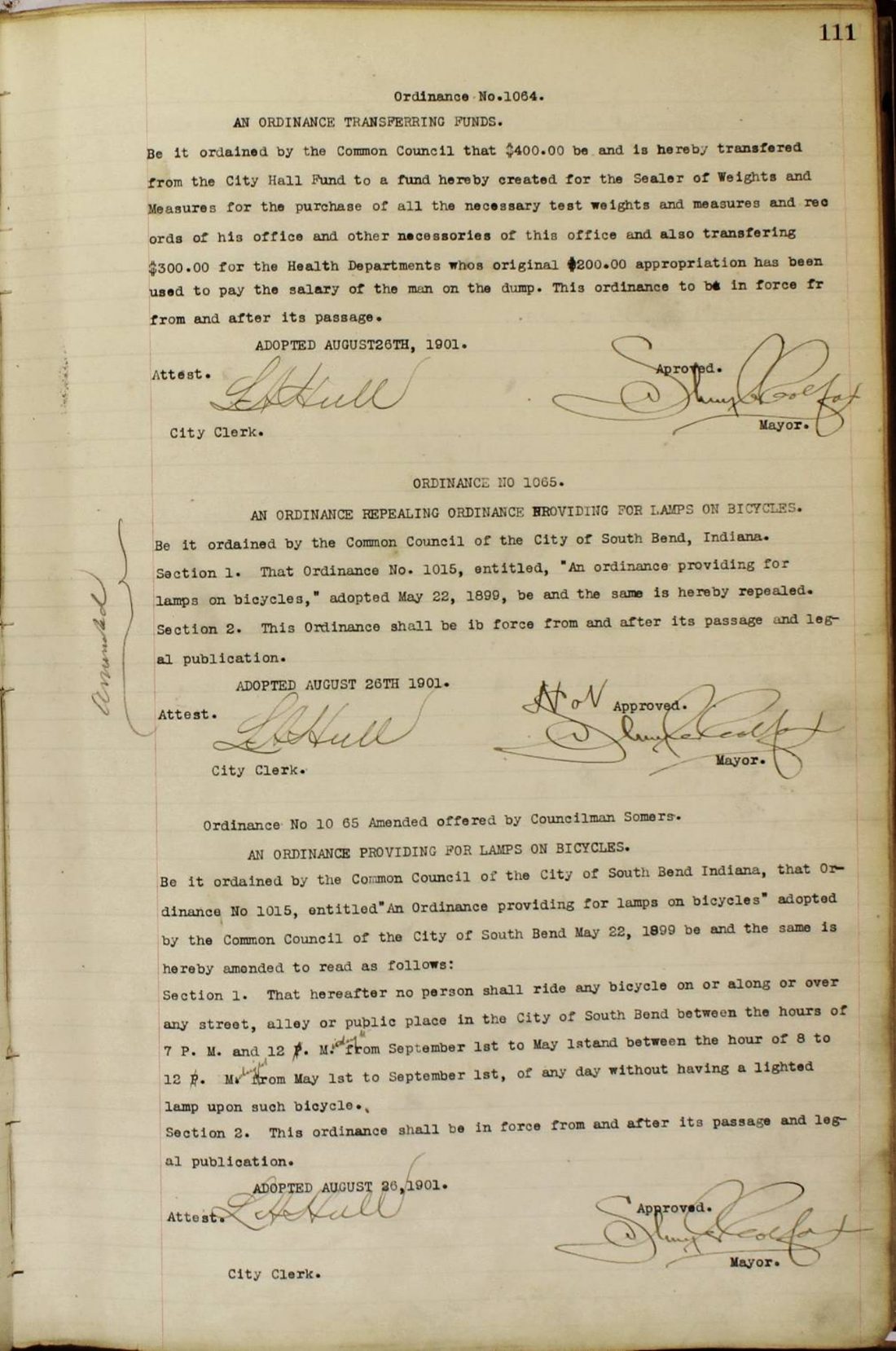
After a petition from W. C. Stover and 900 others, the council voted 9-4 to repeal, then passed Councilman Somers' amended lamp rule 13-1.
Council minutes record a union plea to act on Armistice Day, unions and ministers pressing for low-rent housing, builders objecting and three steady no votes.
Edward J. Fogerty said the grant had to come through the Board of Public Works. The council overrode him 7-3, then sent the job to that board.
Council minutes, ordinances and a police board trial record follow Albert Erskine's gift from the Oliver Hotel's Turkish Room to a WPA caddy house.
 History
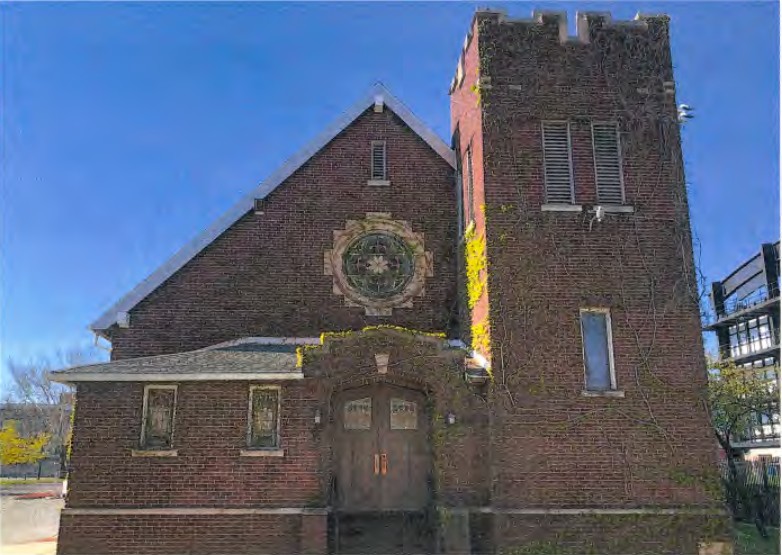
Olivet A.M.E. built the Monroe Street church in 1917; the city bought it for the Coveleski Stadium project in 1986, and Zion Hill has kept it since.
City minutes trace South Bend's first planned park from waterworks land to an animal cage, two donated alligators and a zoo closed in 1913.
City records trace a public market from a 15-minute special council session in 1911 to a 1923 order clearing it off the Colfax Avenue bridge.
Council records show the city's health officers asked for an isolation hospital for about eight years before a 1911 contract put one under the Board of Health.
 History
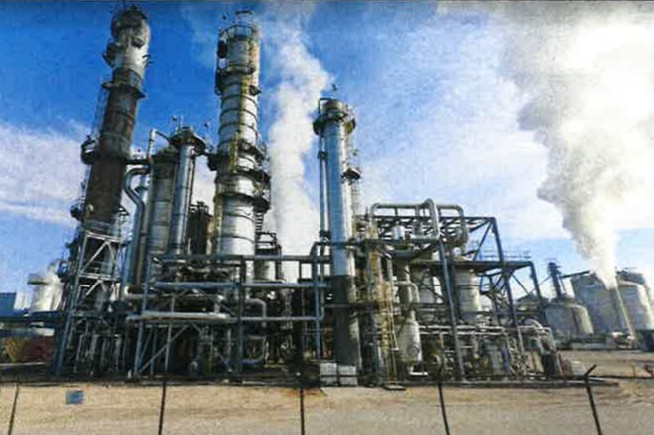
City records trace flooded basements on West Calvert Street, a deal to run one plant pump and a $150,000 emergency pumping station approved in December 2013.
 History
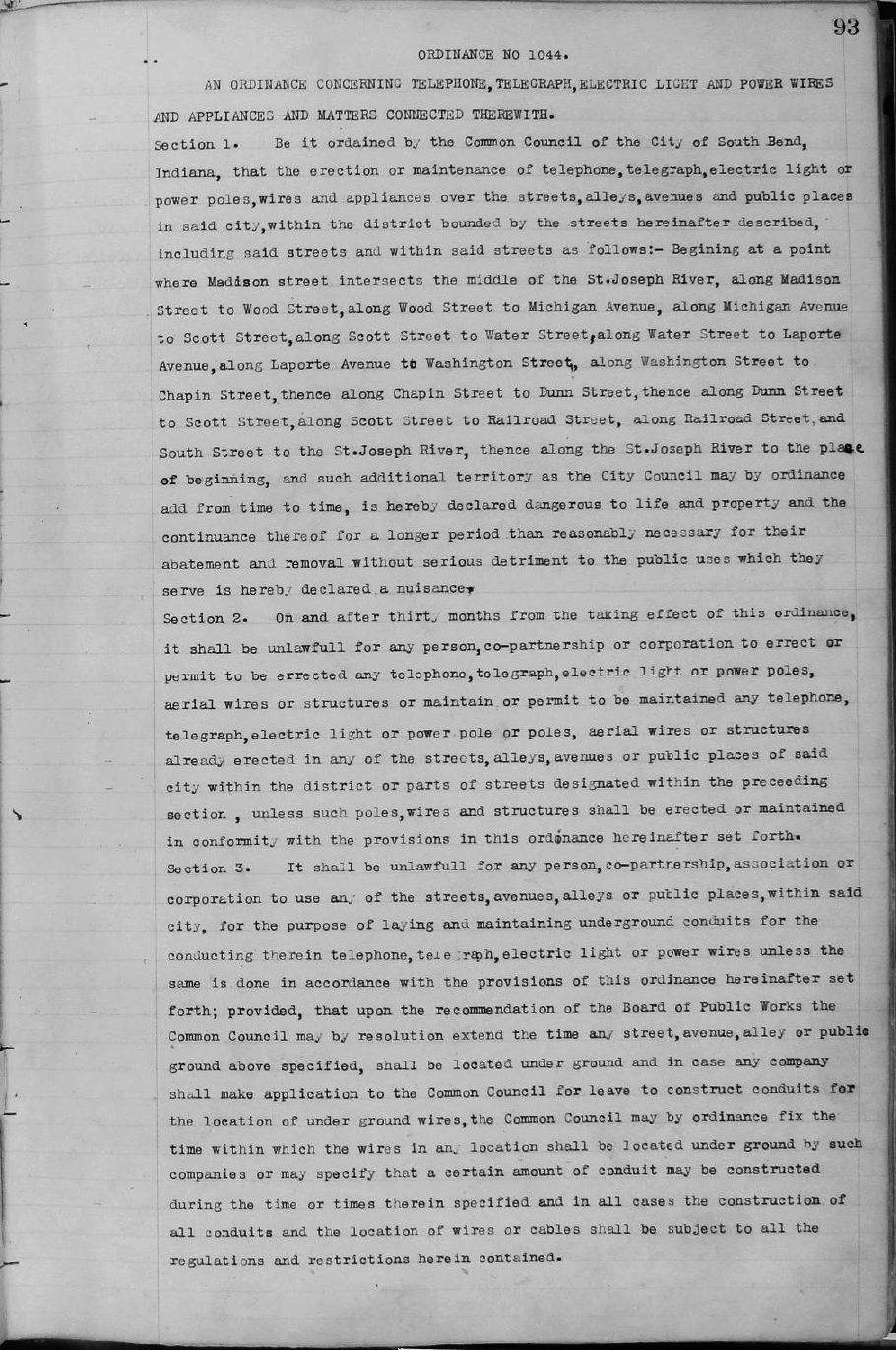
The 1901 ordinance gave wire companies 30 months, and a quarter century of extensions, prosecutions and inspections followed, with no record the district was ever declared cleared.
City records trace South Bend's first park from an 1878 proposal through trash fill, lawn socials and a 1902 bond to buy more land.
 History
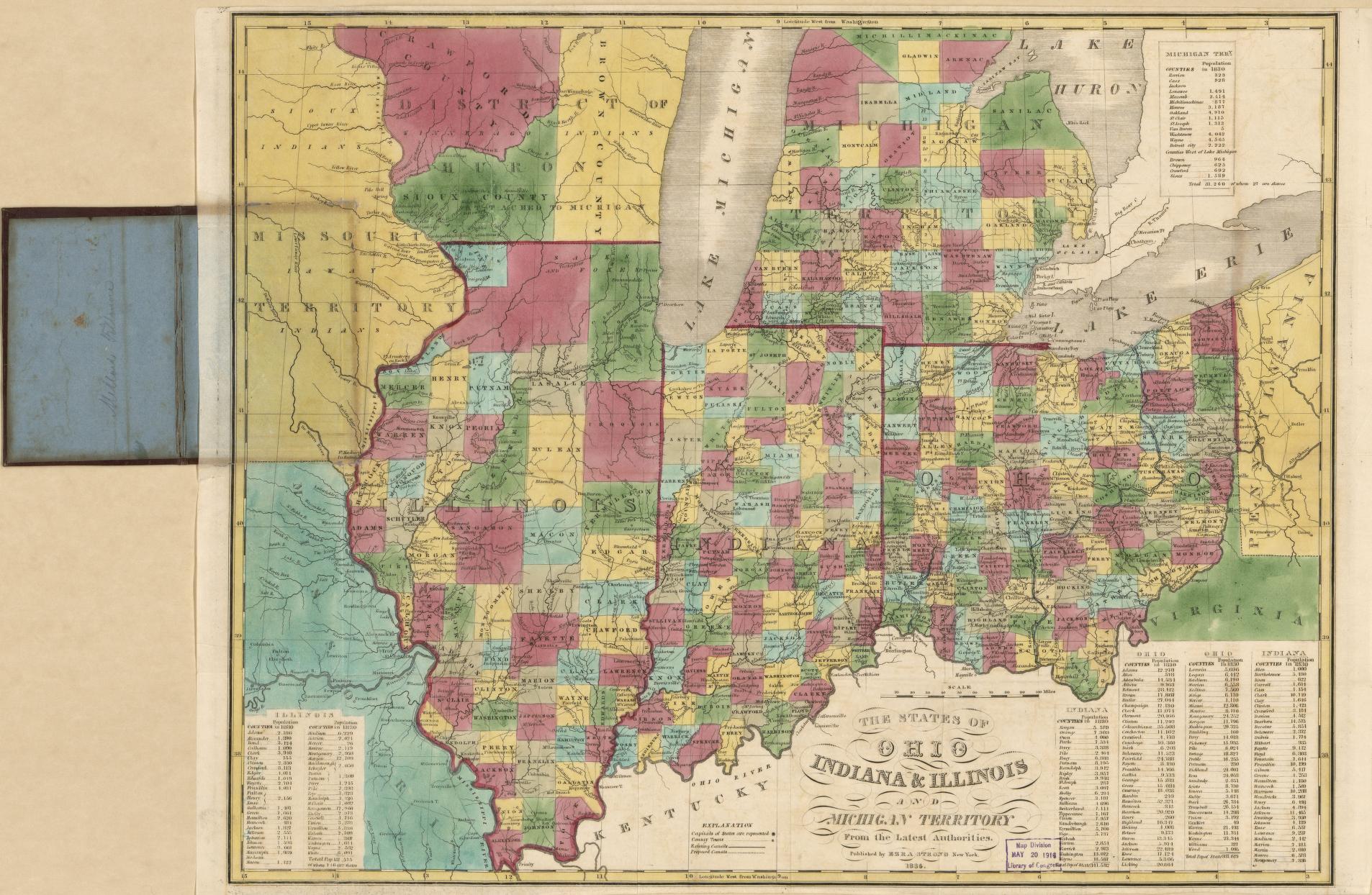
Records kept by the county surveyor trace the line to wooden mile posts set in October 1827, and Michigan's law to find them now runs to 2030.